What Causes Piles in Women? A Complete Doctor-Explained Guide
Piles (also called hemorrhoids) are far more common in women than most people realize. Yet many women silently suffer due to embarrassment, lack of awareness, or the belief that piles are “normal” after pregnancy or with age.
In reality, piles develop due to specific, identifiable causes, many of which are preventable when caught early. Understanding why piles occur in women is the first step toward effective treatment and long-term relief.
This comprehensive guide explains all major causes of piles in women, backed by medical reasoning and aligned with what people are actively searching for online.
Related Topic : Laser vs Creams vs Surgery: Which Phimosis Treatment Is Best for Adults?
What Are Piles?
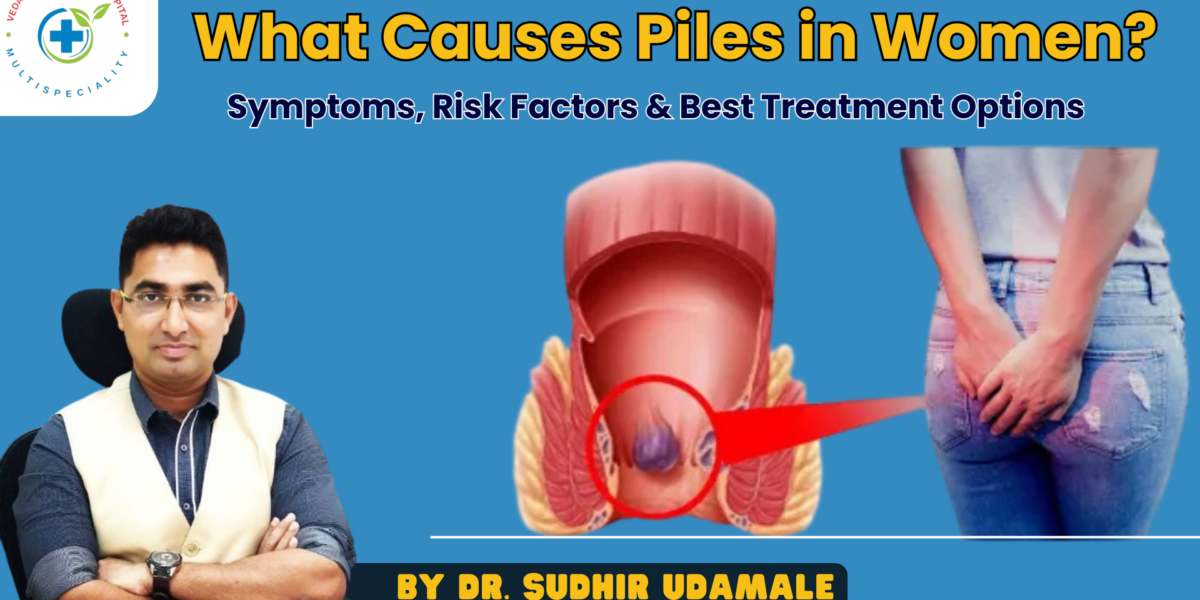
Piles are swollen, inflamed veins in or around the anus and rectum. These veins stretch due to pressure, leading to symptoms like bleeding, pain, itching, and protruding mass during bowel movements.
Piles are broadly classified into:
Internal piles – inside the rectum
External piles – outside the anus
Prolapsed piles – internal piles that come out
Symptoms of Piles in Women
Common signs include:
Bright red bleeding during stools
Pain or burning sensation
Itching around the anus
Swelling or lump near the anus
Feeling of incomplete bowel evacuation
Early diagnosis prevents complications.
1. Chronic Constipation – The #1 Cause of Piles in Women
Chronic constipation is the single biggest trigger for piles. When stools are hard and dry, women tend to strain excessively during bowel movements. This repeated pressure weakens rectal veins over time.
Why women are more affected:
Ignoring bowel urges due to work or household responsibilities
Low-fiber diets
Inadequate water intake
2. Pregnancy – A Major Risk Factor
Pregnancy-related piles are extremely common and heavily searched online.
How pregnancy causes piles:
Increased pressure from the growing uterus
Hormonal changes that slow digestion
Iron and calcium supplements causing hard stools
Many women develop piles during the second or third trimester, while others experience symptoms after delivery.
3. Piles After Delivery (Postpartum Hemorrhoids)
Normal delivery involves intense pushing, which significantly increases rectal pressure. Combined with post-delivery constipation, this often leads to piles.
Common postpartum symptoms:
Bleeding during stools
Pain while sitting
Swelling near the anus
Ignoring these early signs can cause piles to worsen over time.
4. Hormonal Changes in Women
Hormones like progesterone and estrogen affect bowel movement speed and vein elasticity.
Hormonal phases linked to piles:
Menstrual cycle (PMS-related constipation)
Pregnancy
Menopause
These hormonal shifts slow digestion, increase bloating, and worsen constipation—creating the perfect conditions for piles.
5. Sedentary Lifestyle & Desk Jobs
Long hours of sitting—especially in office or work-from-home setups—reduce blood circulation around the rectal area.
Why this matters:
Prolonged sitting increases venous pressure
Physical inactivity slows bowel movement
This explains why piles are increasingly common in working women aged 25–45.
6. Poor Diet & Low Fiber Intake
A diet low in fiber leads to:
Hard stools
Incomplete bowel evacuation
Frequent straining
Urban diets high in processed foods and low in fruits, vegetables, and whole grains significantly increase piles risk.
7. Dehydration
Not drinking enough water makes stools dry and difficult to pass. Many women unintentionally remain dehydrated due to busy routines.
Dehydration + low fiber = chronic constipation, a direct path to piles.
8. IBS, Gas & Digestive Disorders
Irritable Bowel Syndrome (IBS) is a rapidly rising condition among women.
IBS contributes to piles by causing:
Frequent bowel movements
Incomplete evacuation
Repeated straining
Women with IBS often experience piles repeatedly unless the gut issue is addressed.
9. Stress, Anxiety & Poor Sleep
Stress directly affects gut movement. Chronic stress causes:
Irregular bowel habits
Gas and bloating
Constipation or loose stools
Mental stress is now recognized as a major lifestyle trigger for piles, especially in younger women.
10. Obesity & Weight Gain
Excess body weight increases pressure on abdominal and rectal veins.
Women experiencing rapid weight gain—especially after pregnancy—are at higher risk of developing piles.
11. Poor Toilet Habits
Modern habits like:
Sitting too long on the toilet
Using mobile phones during bowel movements
These increase rectal pressure and worsen piles over time.
12. Aging & Menopause
With age, veins lose elasticity. Menopause-related hormonal changes further slow digestion, making piles more common after 40.
When Should Women See a Doctor?
Consult a specialist if:
Bleeding persists beyond a few days
Pain increases
Piles recur frequently
Home remedies stop working
Delaying treatment often turns a minor issue into a surgical one.
Prevention Tips for Women
Eat high-fiber foods daily
Drink 2.5–3 liters of water
Exercise regularly
Avoid straining during stools
Manage stress and sleep properly
Prevention Tips for Women
Eat high-fiber foods daily
Drink 2.5–3 liters of water
Exercise regularly
Avoid straining during stools
Manage stress and sleep properly
Frequently Asked Questions (FAQs)
Yes. Pregnancy significantly increases the risk due to pressure and hormonal changes
Chronic constipation combined with straining is the most common cause.
Yes. Hormonal shifts slow digestion and weaken veins.
Yes, especially those with sedentary desk jobs and irregular bowel habits.
Absolutely. IBS leads to frequent straining and incomplete bowel movements.
How can women prevent piles naturally?
Final Takeaway
Piles in women are not inevitable—they are the result of identifiable lifestyle, hormonal, and digestive factors. Early awareness, timely treatment, and simple habit changes can prevent long-term suffering.
Ignoring symptoms only delays recovery. The sooner piles are addressed, the easier—and less invasive—the treatment.
Experiencing piles symptoms? Don’t ignore them.
Consult a qualified piles specialist today for accurate diagnosis and personalized treatment before the condition worsens.


